
Fall Prevention for Seniors: A Connecticut Family’s Room-by-Room Home Safety Checklist
Every 11 seconds, an older adult in the U.S. is treated in an emergency room for a fall-related injury. For many families, a fall isn’t just a medical event it’s the moment everything changes. A hospital stay turns into a rehab stay, independence becomes harder to regain, and the question “Is it still safe for Mom to live at home?” suddenly feels urgent.
The good news is that most falls are preventable. With a few targeted changes around the house and, in many cases, the right in-home support families across Connecticut can significantly lower the risk and help their aging loved ones stay safely in the home they love.
September is Healthy Aging Month, and the third week of the month is recognized nationally as Falls Prevention Awareness Week. It’s a good moment to walk through your loved one’s home with fresh eyes.
Why Older Adults Are More Prone to Falling
Falling isn’t a normal part of aging, but several age-related changes make falls more likely:
- Balance and muscle strength decline, making it harder to recover from a stumble
- Vision changes make it harder to judge steps, curbs, and uneven flooring
- Medication side effects including dizziness, drowsiness, or drops in blood pressure are a leading contributor to falls, especially with blood pressure medications, sedatives, and certain antidepressants
- Chronic conditions like arthritis, diabetes, or Parkinson’s disease can affect gait and coordination
- Foot pain or poor footwear changes the way someone walks without them realizing it
None of these mean a fall is inevitable. They just mean the environment around your loved one needs to work with them, not against them.
A Room-by-Room Home Safety Checklist
Entryways and Stairs
- Handrails installed on both sides of any staircase, indoors and out
- Steps clearly marked with contrasting tape on the edges
- Outdoor walkways free of leaves, ice, or uneven pavers
- Adequate lighting at every entrance, with switches at both the top and bottom of stairs
Bathroom
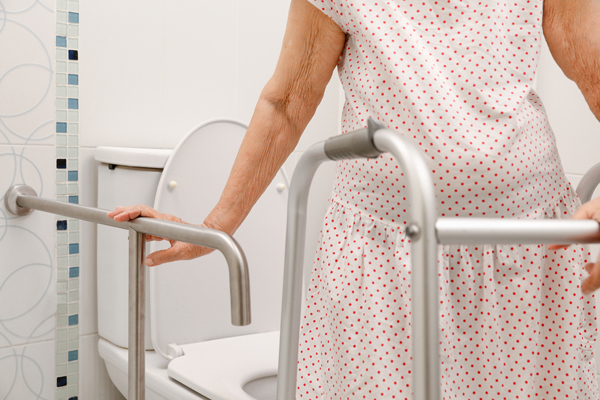
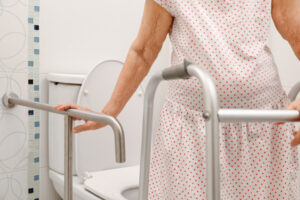
- Grab bars near the toilet and inside the shower or tub (not towel bars they aren’t rated to hold weight)
- Non-slip mats inside and outside the tub or shower
- A shower chair or bench for anyone with balance concerns
- Nightlights for safe trips to the bathroom after dark
Bedroom
- A clear, well-lit path from the bed to the bathroom
- A lamp or light switch within reach of the bed
- Bed height that allows feet to touch the floor comfortably when sitting on the edge
Kitchen and Living Areas
- Frequently used items stored at waist height, not on high shelves that require a step stool
- Electrical cords secured against walls, not running across walkways
- Loose area rugs removed or secured with non-slip backing
- Furniture arranged with clear, wide walking paths
General Home Environment
- Good lighting throughout, especially in hallways and stairwells
- Clutter, shoes, and pet items cleared from floors and walkways
- Non-slip footwear encouraged instead of socks or loose slippers
Warning Signs Family Caregivers Shouldn’t Ignore
Sometimes the risk shows up in behavior before it shows up in a fall. Watch for:
- Holding onto furniture or walls while moving through the house
- A new hesitance to walk certain routes they used to take without thinking
- Bruises they can’t quite explain, or downplay when asked
- A recent change in medication, especially anything for blood pressure or sleep
- Complaints of dizziness or lightheadedness when standing up
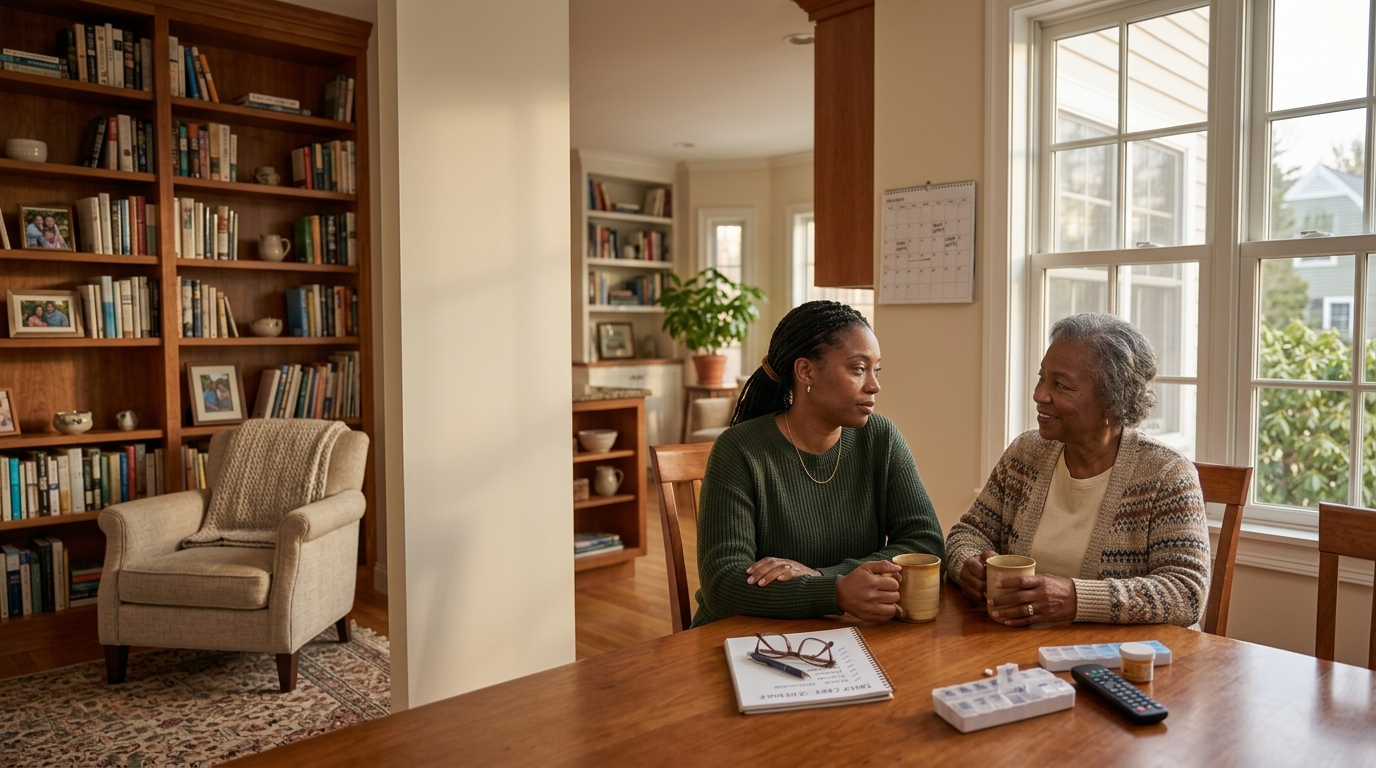
If you’re noticing several of these, it may be time for a conversation with their doctor and a closer look at the support they have at home day to day.
How In-Home Care Helps Reduce Fall Risk
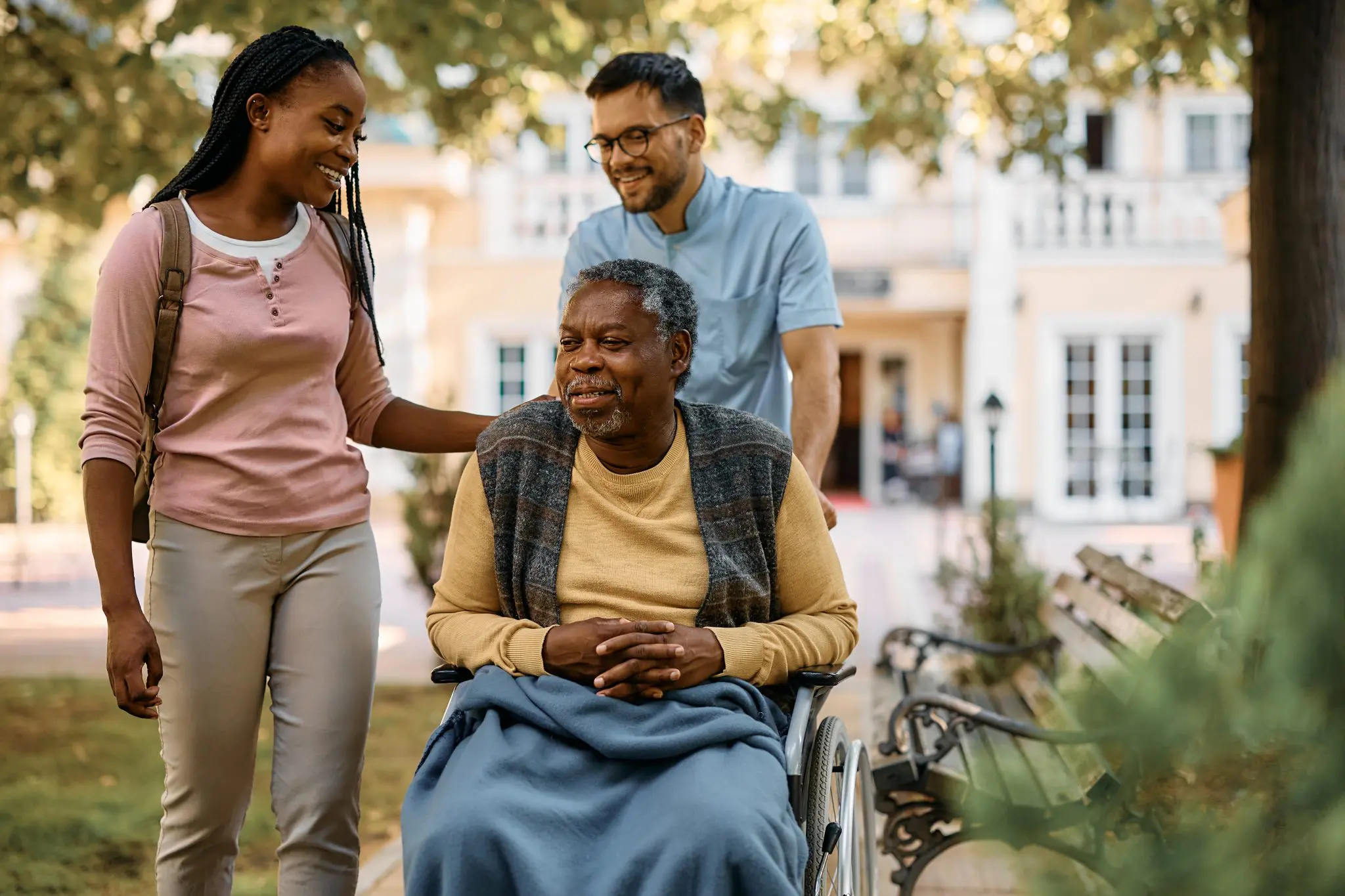
A home safety checklist addresses the environment. But often, what actually prevents a fall in the moment is having another set of hands and eyes present someone to steady a transfer from bed to chair, remind a loved one to use their walker, or simply notice when something seems off before it becomes an emergency.
This is where Connecticut’s home care programs make a real difference:
- Personal Care Attendant (PCA) services provide hands-on help with mobility, transfers, bathing, and daily routines exactly the moments when falls are most likely to happen.
- Adult Family Living (AFL) allows a family member already providing this kind of daily support to be trained, supervised, and compensated for the care they’re giving often while living with or near the person they care for.
Either way, having consistent, attentive support at home turns fall prevention from a one-time checklist into an ongoing safeguard.
Take the Next Step
You don’t have to renovate a home or manage every risk alone. If your loved one is showing signs of fall risk, or if daily tasks like bathing, dressing, and getting around the house have become harder to manage safely, Able Care At Home Services can help you understand what type of in-home support fits your family’s situation.
Make a Referral or call us at 860-321-4821 we’re available 24 hours a day to answer your questions.